Dependable Roof Repairs in Succasunna NJ After Wind Damage

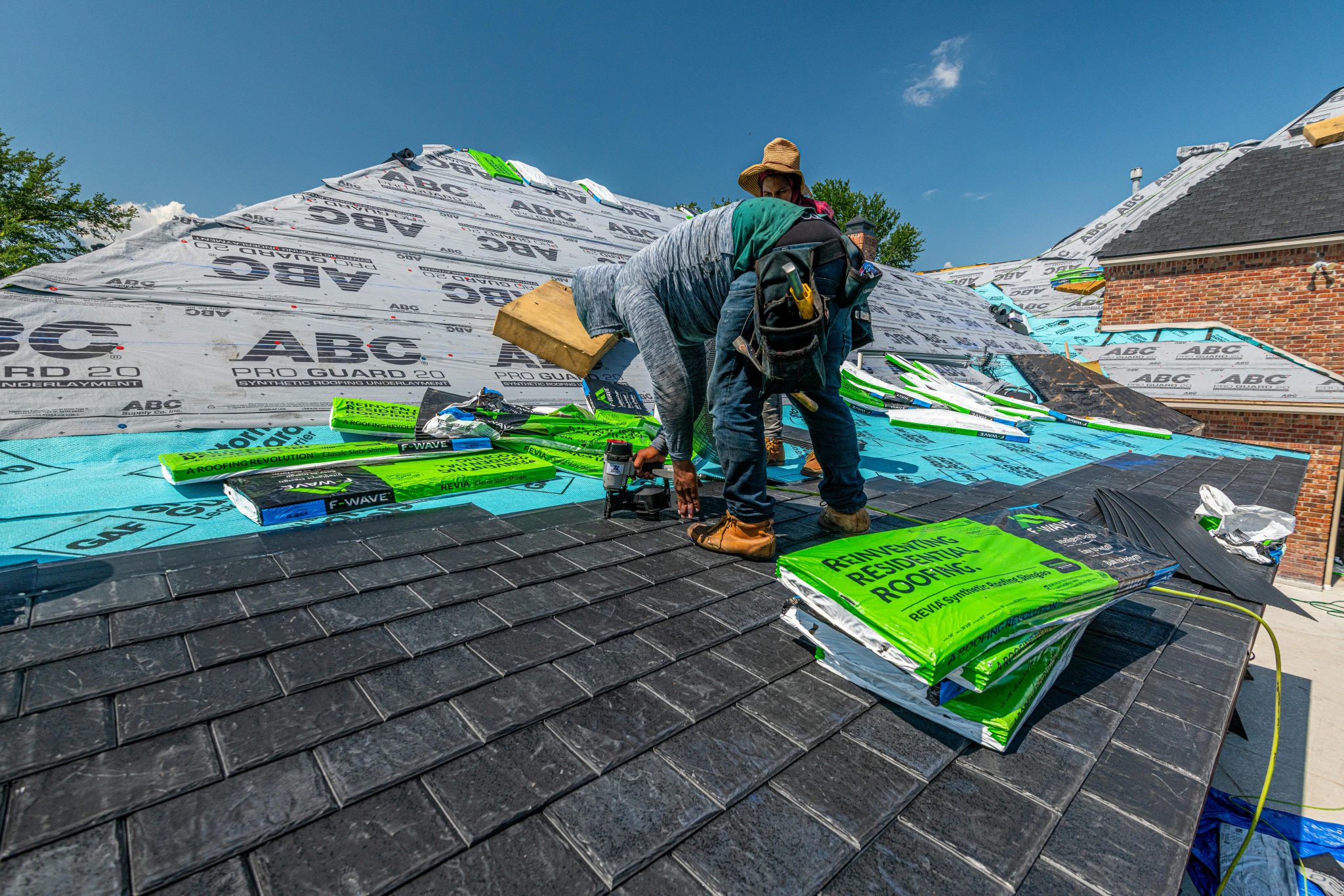

Wind damage has a way of looking minor from the driveway and serious once someone gets up close. A few lifted shingles, a piece of flashing out of place, granules scattered in the gutter, these can seem cosmetic after a storm passes through Succasunna. In practice, they often signal a roof system that has been opened just enough for water to start working its way into places it does not belong.
That is what makes timely roof repair so important after a windy night in Morris County. A roof does not need a missing section or a dramatic collapse to be compromised. More often, trouble starts small. A gust catches the edge of an aging architectural shingle. The seal strip breaks. Another gust lifts it again. Rain follows, and now the underlayment is exposed. If the leak reaches roof decking, insulation, or attic framing, a repair that could have stayed simple starts getting more expensive.
Homeowners looking for Roof Repairs Succasunna NJ usually call after they notice one of three things: shingles on the lawn, a water stain on an upstairs ceiling, or a neighbor mentioning that something looks off from the street. All three matter. The challenge is knowing what deserves urgent attention, what can wait a short time, and what kind of repair will actually hold up through the next season.
Why wind damage in Succasunna deserves close attention
Succasunna homes see a mix of weather conditions that can be rough on roofing materials. Winter freeze and thaw cycles matter. Summer heat matters. But high winds, especially when paired with rain, can be particularly deceptive. Wind attacks the roof at its weakest points: ridge caps, rake edges, eaves, valleys, flashing transitions, and any area where age has already reduced adhesion.
The local housing stock also plays a role. Some homes have original roof sections mixed with later additions. Some have complex rooflines with dormers and intersecting valleys. Others have older attic ventilation setups that contribute to uneven roof temperatures. These conditions do not guarantee wind damage, but they do increase the chances that a storm finds and exploits a vulnerable area.
I have seen roofs that looked fine from the ground but had entire rows of shingles loosened just enough to flap in the wind. I have also seen the opposite, a dramatic patch of missing shingles over a garage while the rest of the roof remained sound and repairable. That range is exactly why a careful inspection matters more than assumptions.
What wind damage actually looks like
Most people picture wind damage as shingles torn completely off the house. That does happen, but many repair calls begin with subtler signs. Wind can crease asphalt shingles, break the seal tabs, pull nails through weakened material, loosen ridge vents, bend flashing, or drive debris against roof penetrations.
On asphalt shingle roofs, one of the most common issues is lifting and creasing. When a shingle folds back under pressure and then snaps down, it can develop a visible horizontal crease. That crease weakens the mat. Even if the shingle lies flat afterward, it may no longer protect the roof the way it should. Another common problem is tab loss. One corner tears away, then the adjacent shingle becomes more exposed, and damage starts to spread.
Metal flashing around chimneys, walls, plumbing stacks, and skylights can also take a hit. Wind-driven rain is surprisingly effective at finding a gap only an eighth of an inch wide. If flashing has lifted or sealant has failed, the leak may not show up directly below the damaged spot. Water can travel along framing before it stains a ceiling, which complicates diagnosis.
Then there are gutters and fascia. Strictly speaking, those are not the roof covering itself, but storm damage there still matters. If a section of gutter pulls away, runoff can back up or spill where it should not. That can affect the roof edge, soffit, and even the foundation over time.
The first day after the storm
The best first response is not climbing onto the roof. It is slowing down long enough to look carefully and avoid turning a weather event into an injury. Wet shingles, loose debris, and hidden soft spots make roofs dangerous even for experienced people. For homeowners, the smartest move is usually a ground-level assessment followed by a professional inspection.
A practical first-day approach looks like this:
- Walk the perimeter and look for shingles, flashing pieces, branches, or granule buildup near downspouts.
- Check the attic and top-floor ceilings for damp insulation, dark spots, fresh staining, or a musty smell.
- Take clear photos from the ground, especially of any visible damage or debris.
- If water is entering the home, use buckets or tarps inside and move belongings out of the affected area.
- Schedule a roof inspection promptly, especially if more rain or wind is in the forecast.
That short window matters. Once water starts entering, delays rarely improve the situation. Even a small active leak can damage drywall, saturate insulation, stain trim, and support mold growth if moisture stays trapped.
Why “small” repairs are not always small
One reason dependable Roof Repairs matter after wind damage is that the visible issue is often only part of the story. A missing shingle is obvious. What happened beneath it may not be. If underlayment has torn, if fasteners backed out, or if the decking took on repeated moisture, a surface-only fix may not last.
This is where judgment separates a quick patch from a reliable repair. There are cases where replacing a few shingles and resealing a flashing edge is exactly the right move. There are also cases where the repair area should be opened more broadly to inspect substrate condition and tie new materials into the existing roof properly.
For example, on an older roof near the end of its service life, matching shingles can be difficult, and surrounding materials may be brittle. Removing one damaged section can disturb adjacent shingles enough to reveal more weak points. In those cases, the honest conversation is not just about today’s leak, but about whether the repair is buying time for a planned replacement or serving as a durable long-term fix.
That does not mean every storm-damaged roof needs replacing. Far from it. Many roofs in Succasunna can be repaired successfully after wind damage, especially when the problem is caught early and confined to a section. The key is evaluating the entire system rather than the most obvious symptom.
Areas that demand a closer look during a repair
Dependable Roof Repairs Succasunna NJ should never stop at replacing what blew off. The surrounding areas need attention because wind rarely affects a roof in isolation. It stresses transitions and edges, and it exposes weaknesses that may have been developing quietly for years.
A good repair assessment usually focuses on the following:
| Roof area | What can go wrong after wind | Why it matters | |---|---|---| | Shingle field | Lifted, creased, torn, or missing shingles | Exposes underlayment and decking to rain | | Flashing | Bent, lifted, or separated flashing at walls, chimneys, vents | Creates hidden leak paths | | Ridge and hips | Loose caps or compromised ridge vent sections | Allows water entry at high points | | Valleys | Displaced materials or debris concentration | Channels heavy water flow into weak spots | | Roof edge | Drip edge movement, fascia stress, gutter separation | Affects runoff control and edge protection |
This broader view prevents the common mistake of solving only the visible break while ignoring the adjacent failure that caused it.
Temporary protection versus permanent repair
After a storm, some homes need emergency protection before a full repair can happen. A tarp, properly installed, can prevent further water entry for a short period. So can temporary sealing in limited circumstances. These steps have value, especially when weather or material availability delays permanent work.
Still, temporary and permanent are not the same thing. A tarp is a stopgap. Sealant alone is rarely the answer for wind-lifted shingles. I have seen roofs where repeated caulking around a vent or wall flashing delayed the real repair and ultimately made the diagnosis harder. Sealants age, crack, and pull away. They can support a repair, but they should not replace sound detailing and correct material installation.
A dependable contractor will say this plainly. If your roof needs an emergency measure today and a proper repair next week, that should be stated clearly. Homeowners appreciate honesty, especially after a storm, when anxiety is already high.
What a dependable repair process should include
There is a noticeable difference between someone who just wants to close the call quickly and someone who intends to leave the roof secure. The better https://telegra.ph/Affordable-Roof-Repairs-Succasunna-NJ-Residents-Trust-09-11-2 repair process is methodical. It starts with inspection, not assumptions. It documents what was found. It explains whether damage is isolated or part of a broader wear issue. Then it defines the repair scope in terms a homeowner can understand.
That process usually includes access to the roof, inspection of vulnerable transitions, review of attic signs when needed, and moisture tracing if the leak path is not obvious. It should also include a realistic conversation about shingle matching. On newer roofs, matching may be straightforward. On older roofs, sun fading and discontinued product lines can make the repaired section visually different even when the repair itself is technically sound.
The installation matters just as much as the diagnosis. Correct fastener placement, proper overlap, secure resealing of surrounding shingles, and solid flashing integration are what determine whether the repair survives the next storm. Wind resistance is not just about the new shingle. It is about how that shingle ties into everything around it.
Insurance questions come up quickly
After significant wind damage, many homeowners wonder whether they should file an insurance claim. The answer depends on the extent of the damage, the age and condition of the roof before the storm, the policy terms, and the deductible. It is worth documenting conditions thoroughly before repairs begin, especially when damage is widespread or there are multiple affected elevations.
What matters most is accuracy. If a few shingles were lost on an older roof with substantial preexisting wear, the claim decision may be different than if a large area sustained fresh storm-related damage on a roof with useful life remaining. A professional inspection can help separate those scenarios.
Homeowners should be cautious about anyone who promises a specific insurance outcome before a proper assessment. A reputable roofing professional can document storm-related conditions and explain repair needs, but should not oversimplify the claim process or encourage exaggerated damage descriptions. Credibility matters, and so does keeping the focus on what the roof actually needs.
When repair makes sense, and when replacement deserves discussion
This is where practical judgment matters most. Not every damaged roof should be repaired, and not every damaged roof should be replaced. The right choice depends on the overlap of three variables: extent of storm damage, age of the current roofing system, and condition of the underlying structure.
Repair often makes sense when the damage is limited to one section, surrounding shingles remain flexible and well-adhered, flashing can be restored, and the roof still has meaningful life left. On a roof in that condition, a targeted repair is usually the most cost-effective path.
Replacement enters the conversation when wind damage is extensive, repair matching is poor, shingles are brittle or losing granules heavily across the roof, or multiple leak points suggest the system is worn out. If the roof is already near the end of its service life, spending repeatedly on patchwork can become false economy.
There is also a middle ground. Sometimes a roof has one storm-damaged slope and one or two weaker adjacent areas that are not yet leaking but show age. In that case, a homeowner might choose a repair now with a plan for broader work within a year or two. A good contractor can talk through that option without pressure.
Common mistakes homeowners make after wind damage
Most mistakes happen for understandable reasons. People want to act fast, save money, and believe the damage is minor. But a few patterns show up again and again, and they tend to make Roof Repairs more difficult later.
Waiting too long is the biggest one. A roof opening that seems harmless during a dry week can become a serious interior issue with the next storm. Another common mistake is focusing only on the room where the leak appeared. Water stains are clues, not maps. The actual entry point may be several feet away, especially on sloped roofs with attic space.
DIY fixes are another problem area. A tarp installed incorrectly can cause more damage in the next gust. Roof cement smeared over lifted shingles may trap water or interfere with proper repair. Walking a damaged roof without training can crack adjacent shingles and turn a localized issue into a larger one.
Then there is the temptation to choose purely on price. Storm-season repair demand can bring out rushed work. A low bid that skips flashing replacement, underlayment checks, or proper resealing may cost less today and more after the next windy rain.
Material matching and appearance after the repair
This topic deserves more attention than it usually gets. Homeowners naturally care whether a repaired section will stand out. The answer is sometimes yes, at least initially. Even if the exact product is still made, new shingles placed next to weathered ones can look different in tone or texture.
That does not mean the repair is poor. It means roofing materials age in sunlight, and color blends shift over time. In many cases the difference softens as the new section weathers. In other cases, especially on older roofs, the contrast remains visible. What matters is discussing that upfront.
A professional approach is to be honest about what can and cannot be matched, then prioritize performance first. Water-tightness, wind resistance, and correct integration matter more than cosmetic perfection. Still, when appearance is a major concern, it is worth exploring available product lines and potential blend strategies rather than treating matching as an afterthought.
The value of local experience in Succasunna
There is a reason local knowledge counts with storm repairs. Roofs in this area are shaped by local weather patterns, neighborhood tree cover, common home styles, and municipal expectations around property upkeep. A contractor familiar with Succasunna is more likely to recognize which slopes take the brunt of prevailing winds, how older developments were typically roofed, and what repair details tend to hold up best over time.
That kind of experience shows in small decisions. It shows in how valleys are checked after branch impact. It shows in noticing when gutter strain may have affected the roof edge. It shows in understanding that a leak near a chimney on a windy rain is often about flashing transitions more than masonry itself.
Dependable Roof Repairs Succasunna NJ are not just about replacing damaged materials. They are about restoring confidence that the roof will perform through the next heavy rain, the next freeze, and the next gusty storm front.
What homeowners should expect after the work is done
A completed repair should leave more than a patched-looking area. Homeowners should understand what was repaired, what was observed nearby, and whether any follow-up is recommended. If matching is imperfect, that should not be a surprise discovered from the driveway afterward. If the roof has age-related wear in other areas, that should be documented clearly without overstating urgency.
It is also reasonable to ask how the repaired area was integrated, whether flashing was replaced or reused, and whether any additional attic monitoring is smart after the next rainfall. A trustworthy roofer will not dodge those questions. The goal is not just to stop today’s leak, but to give the homeowner a clear picture of the roof’s condition after the storm event.
One practical tip is to check the previously affected interior area during the next hard rain, not obsessively, but attentively. If the repair was tied to a known leak path, a quick follow-up glance at the ceiling or attic helps confirm performance. Most successful repairs disappear back into daily life. That is exactly what you want.
Getting ahead of the next storm
Wind damage often exposes maintenance issues that were easy to ignore before the storm. Once the repair is complete, it is worth thinking preventively. Overhanging branches, clogged gutters, deteriorated pipe boots, aging sealants, and loose fascia do not always cause immediate failure, but they can lower the roof’s margin of safety in the next weather event.
That does not mean turning homeownership into a constant roofing project. It means paying attention to the details that preserve roof performance. An occasional visual check from the ground, prompt attention to storm debris, and periodic professional inspections on aging roofs can prevent a lot of larger problems.
The roofs that fare best over time are not always the newest. Often they are the ones that got the right repair at the right moment, before a manageable problem became structural damage. After wind hits, that window can be short.
For homeowners in need of Roof Repairs after a storm, the smartest path is simple: respond early, insist on a careful inspection, and choose workmanship that addresses the full problem, not just the most visible symptom. That is what dependable roof repair looks like in Succasunna, and it is what protects the house long after the wind has moved on.
Royalty Exteriors
Address: 151 NJ-10 Ste 103A, Succasunna, NJ 07876
Phone number: +19733337234
FAQ About Roof Repairs Succasunna NJ
How much should I pay for roof repairs?
Most homeowners pay an average of $900 to $1,200 for roof repairs, with typical projects ranging from $150 to $3,000+ depending on the severity of the damage.
What are the most common roof repairs?
The most common roof repair is fixing water leaks by replacing damaged, cracked, or missing asphalt shingles and sealing compromised flashing.
Does homeowners insurance pay for roof repairs?
Homeowners insurance pays for roof repairs only if the damage is sudden and accidental, such as from a storm, hail, or a falling tree.